The experience


1/13

© Remy Dubas / Ecocean
© Remy Dubas / Ecocean
2/13
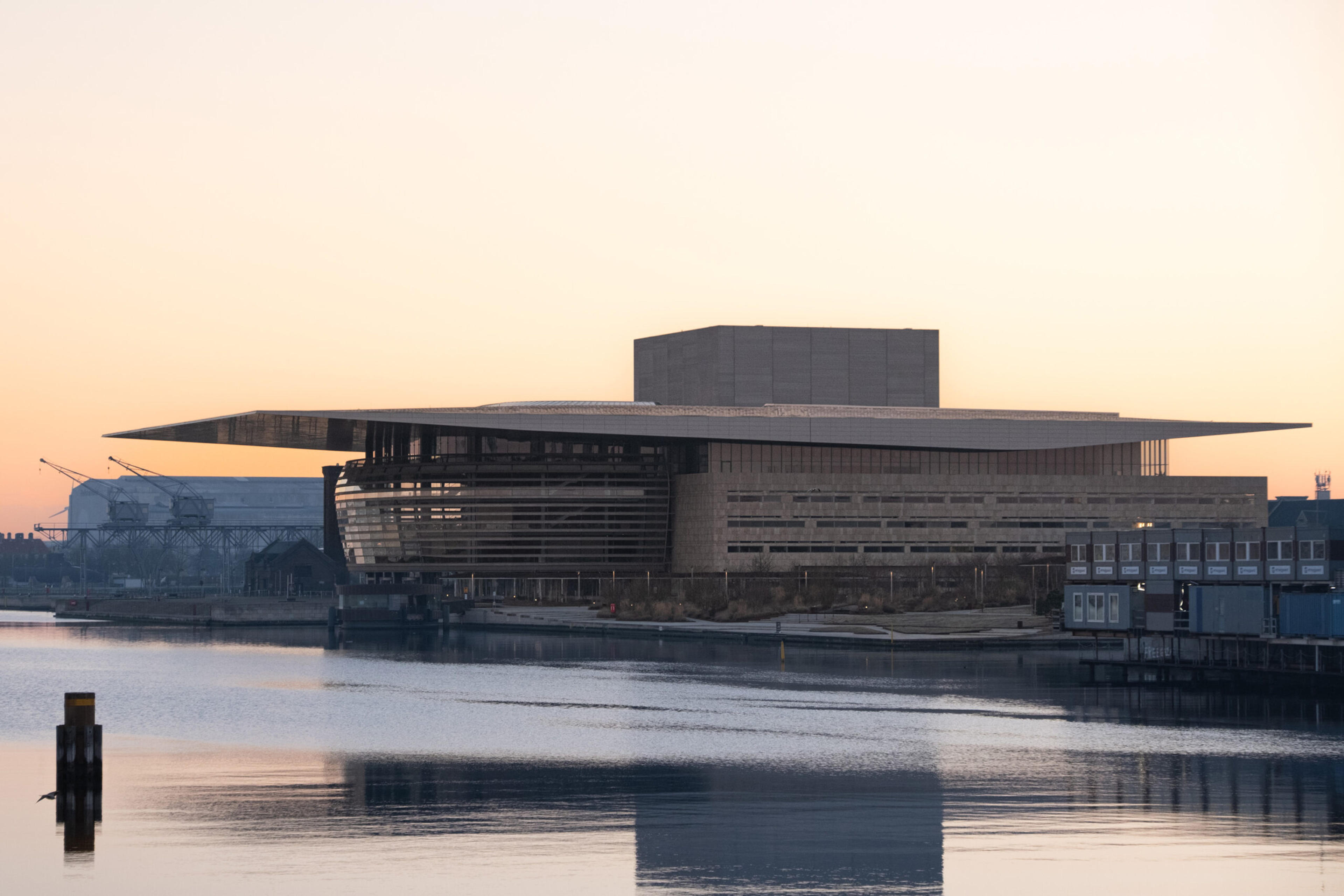
The Opera
The Opera
3/13

4/13

5/13
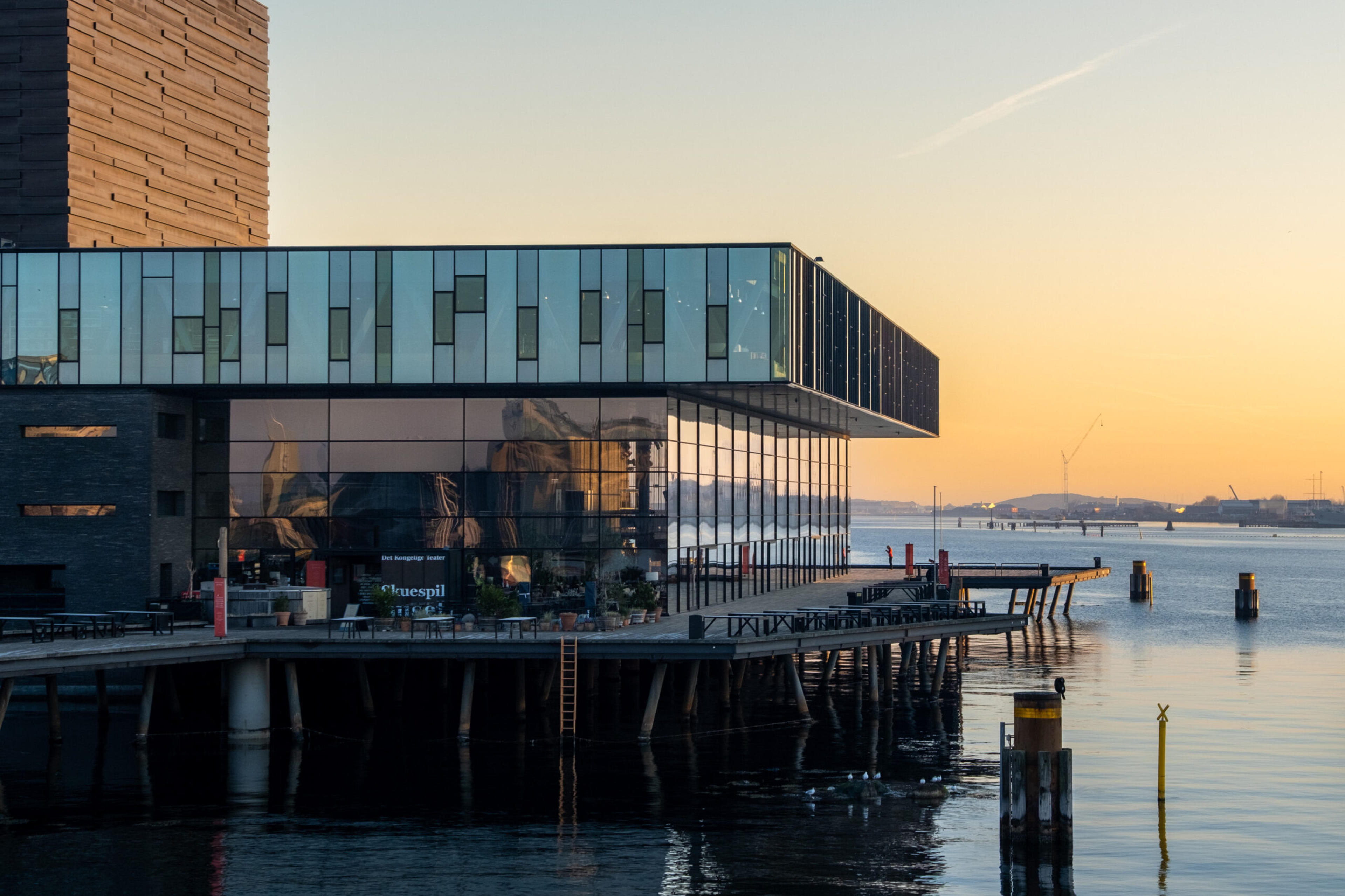
Skuespilhuset Copenhagen Harbor
Skuespilhuset Copenhagen Harbor
6/13

7/13

8/13

9/13

10/13

11/13
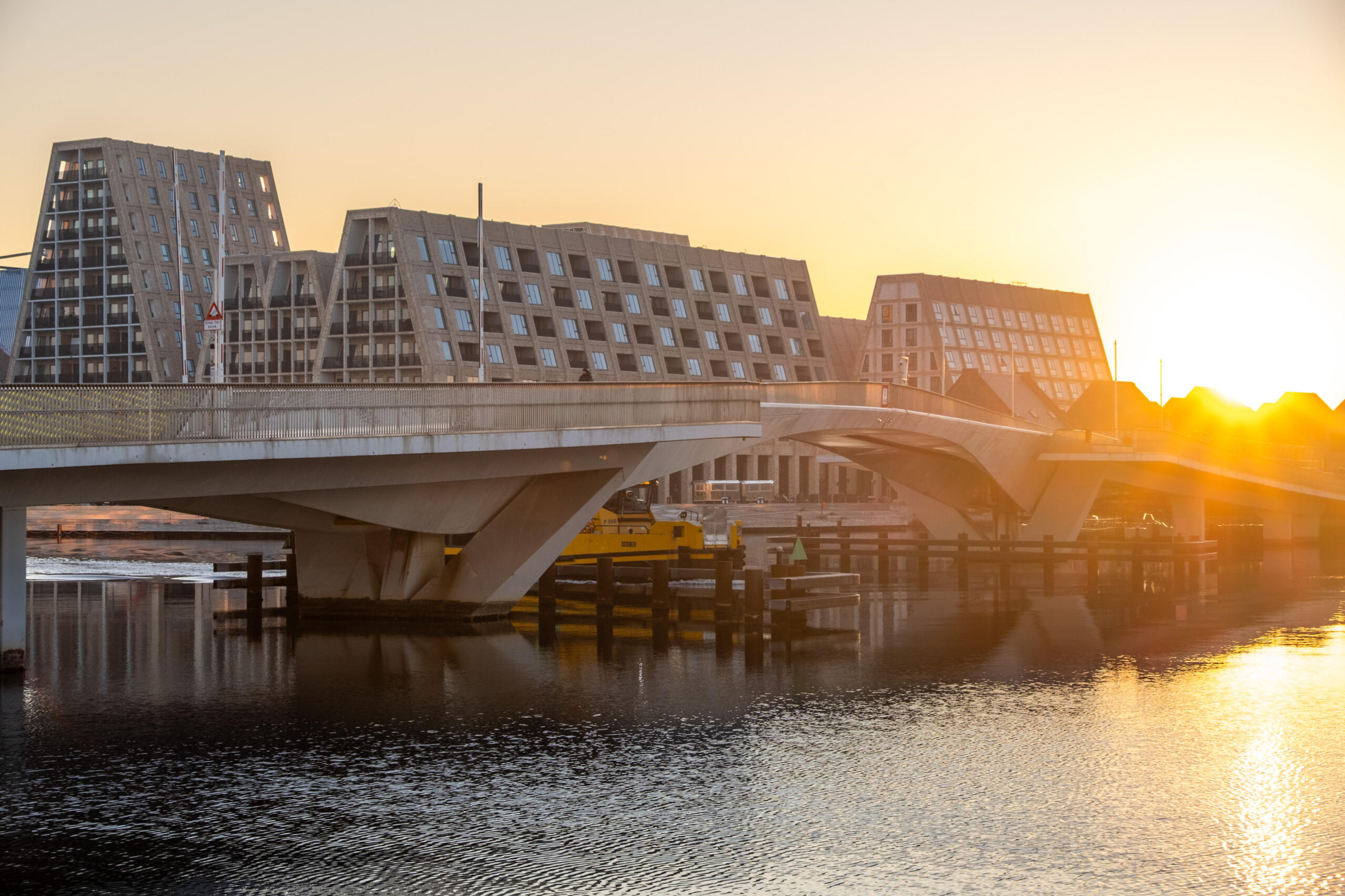
Inderhavnsbroen Copenhagen Harbor
Inderhavnsbroen Copenhagen Harbor
12/13

13/13
Bio Explorer Harbor Tour
Copenhagen's harbour is a living ecosystem, and this Bio Explorer Harbour Tour invites you to explore it in a hands-on and accessible way, whilst exploring the city’s monuments at the same time.
Guided by a captain, you'll take part in citizen science activities such as measuring water clarity with a Secchi disc, observing biohuts that support marine life, and collecting floating plastic and litter from the water. The activity is developed in close partnership with WWF World Wildlife Fund and By & Havn.
These small actions help you build a clearer picture of the harbor's environmental health while keeping the water cleaner at the same time. The tour including activities take 1 hour.
Times: We depart from Islands Brygge once daily at 13:30
Ticket price per person: 299 kr. 30% of the ticket price is donated to WWF's work for nature.


The Bio Explorer Harbor Tour starts at Islands Brygge.
Just 30 years ago, the harbor was heavily polluted, but thanks to major efforts in wastewater treatment, it now has some of the cleanest harbour water in the world. Beneath the surface, however, lies a unique ecosystem that needs protection. We start at Islands Brygge, where we set the context for the challenges and solutions we will be exploring.

1. Observe fish in fish kindergartens
At the IDA building, we observe fish in the fish nurseries (biohuts) using an underwater viewer and learn how biohuts support biodiversity in Copenhagen Harbour. Don’t worry—the fish don’t mind us watching.

2. Fishing for litter
At Gammel Strand, we collect plastic and waste so that we can make a difference together. Beneath the surface lie incredibly important seagrass meadows, which act as natural hiding places for fish. They also help clean the water and absorb CO₂.

3. We test the visibility of the water
Behind the XXXX, we measure water clarity using a so-called Secchi disk. Water clarity is an indicator of how healthy the ecosystem is. A low reading can signal nutrient pollution and algae growth, which is a major issue in Danish waters.
The experience
1/13
© Remy Dubas / Ecocean
© Remy Dubas / Ecocean
2/13
The Opera
The Opera
3/13
4/13
5/13
Skuespilhuset Copenhagen Harbor
Skuespilhuset Copenhagen Harbor
6/13
7/13
8/13
9/13
10/13
11/13
Inderhavnsbroen Copenhagen Harbor
Inderhavnsbroen Copenhagen Harbor
12/13
13/13
Andre unikke oplevelser


